Does Carpet Mold Linger in the Air After the Carpet Is Gone?
Understanding the Risk That Remains
When you pull up water-damaged carpet, the immediate improvement in appearance can be deceptive. The musty smell may fade, but the question many homeowners face is whether the air quality has truly returned to normal. The short answer is that mold from carpet can absolutely affect indoor air quality even after the carpet itself has been removed. Mold spores are microscopic and lightweight. They become airborne easily, and they can settle into places that are easy to overlook during a cleanup.
The process of removing the carpet does not automatically remove all the mold. The spores have likely already spread to the underlying padding, the subfloor, the baseboards, and even the drywall nearby. If these areas are not treated thoroughly, the spores remain in the environment. They can be stirred up by foot traffic, air currents from HVAC systems, or simply by changes in humidity. Over time, continued exposure to airborne mold spores can trigger allergic reactions, respiratory irritation, and other health concerns. This is why a complete carpet mold treatment plan must go beyond just pulling up the stained material.
How Mold Spores Travel and Settle
Mold reproduces by releasing tiny spores into the air. A single patch of mold on a carpet can release millions of spores over the course of a day. When the carpet is lifted, many of those spores are already suspended in the air. Others are trapped in the carpet fibers and become airborne during removal. Once airborne, spores can travel throughout the home, landing on furniture, curtains, walls, and inside ventilation ducts. They can remain dormant for long periods, waiting for moisture to return before they start growing again.
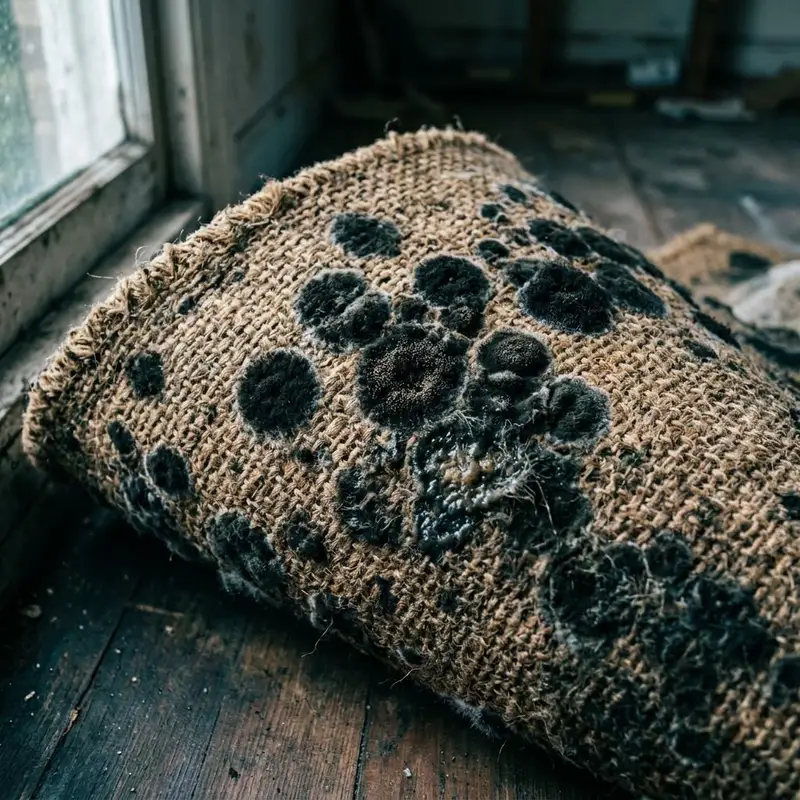
The issue is not just the visible mold on the carpet surface. The backing of the carpet and the padding underneath act like sponges, holding moisture and providing a perfect breeding ground for mold. Even if the top of the carpet looks dry, the underside may still be damp. When the carpet is removed, that damp padding and subfloor are exposed. If they are not dried quickly and treated with an appropriate antimicrobial solution, the mold will continue to release spores into the air.
Why Standard Cleaning Is Not Enough
Airing out the room and wiping down surfaces is a reasonable first step, but it rarely addresses the full problem. Mold spores are resilient. They can survive vacuuming, dry wiping, and even some household cleaners. Standard cleaning products may remove the visible discoloration but leave behind the root structure of the mold, known as hyphae. These root-like structures can remain embedded in porous materials like wood, drywall, and concrete. As long as the hyphae are alive and the area remains humid, the mold will keep producing spores.
To effectively stop the spread, the affected area must be treated with an EPA-registered fungicide or a strong antimicrobial agent. The treatment needs to penetrate porous surfaces to kill the roots, not just the surface growth. This is where a professional approach to carpet mold treatment becomes critical. The team at Carpet Mold Removal Services Pros understands that removing the carpet is only the beginning. Their process includes identifying all hidden moisture, treating contaminated materials, and thoroughly drying the structure to eliminate the conditions that allow mold to thrive. For a more detailed look at what a complete protocol involves, you can explore the resources available at carpetmoldremovalservices.com.
Hidden Reservoirs of Contamination
Even if the carpet is gone, several places can harbor mold spores and continue to affect indoor air quality:
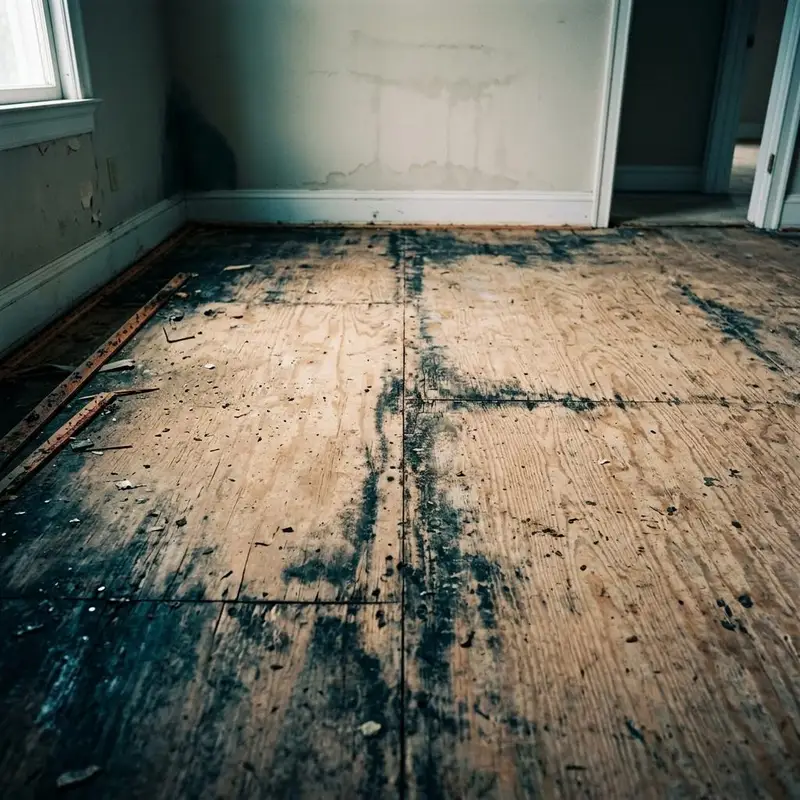
- Subflooring: Plywood and OSB are porous and absorb moisture. Mold can grow deep within the wood grain, releasing spores even after the surface appears dry.
- Baseboards and trim: These are often in direct contact with the carpet edge. They can wick moisture upward and support mold growth that is hidden behind the wood.
- Drywall: If moisture wicked up the wall from the carpet, the drywall's paper facing can host mold. The spores can then enter the air from the wall surface.
- HVAC registers: Air vents near the floor can collect spores during removal. When the system runs, it distributes those spores throughout the house.
- Furniture and fabrics: Upholstered furniture, curtains, and rugs that were in the room can trap spores and reintroduce them later.
Each of these reservoirs must be inspected and treated as part of a comprehensive restoration. If only the carpet is removed and the room is painted over, the underlying problem remains. The spores will continue to circulate, and the air quality will not improve.
The Role of Moisture and Humidity
Mold cannot grow without moisture. However, the spores themselves do not need moisture to remain airborne. They can float in dry air for hours. Even after the carpet is gone, if the humidity in the room stays above 60 percent, dormant spores in the subfloor or walls can reactivate and start producing new spores. This is why drying the structure is just as important as removing the contaminated materials.
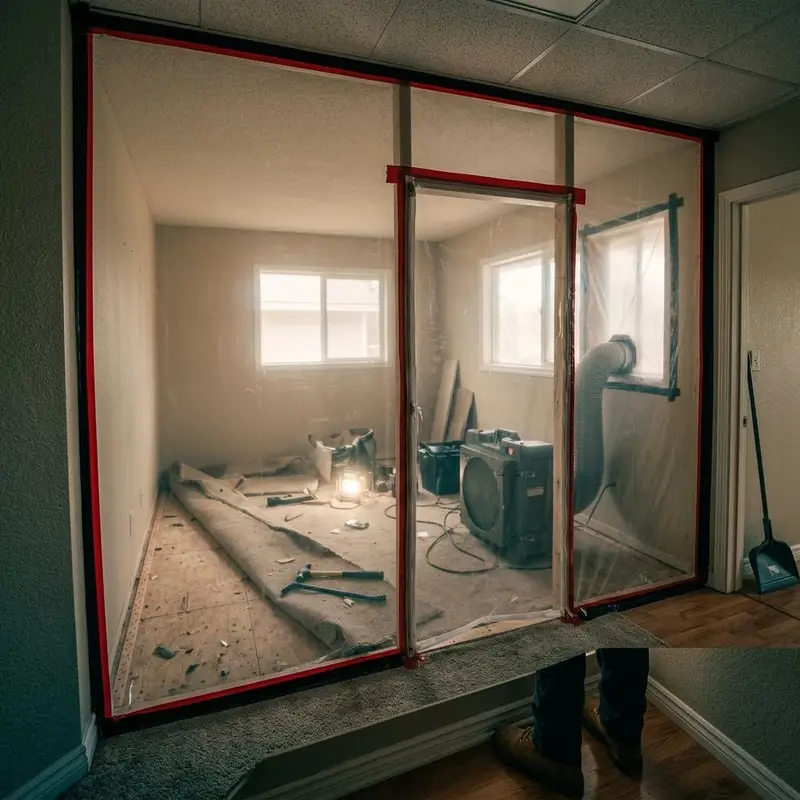
Professional restoration services use industrial dehumidifiers, air movers, and moisture meters to ensure that hidden dampness is eliminated. The goal is to bring the moisture content of the wood and concrete below the threshold that supports mold growth, which is typically around 15 percent for wood. Without this step, the air quality can remain compromised even in a carpet-free room.
Why Professional Assessment Matters
It can be difficult for a homeowner to know whether the mold problem is fully resolved. The air may smell cleaner after the carpet is gone, but that does not mean the spores are gone. A professional mold inspection can include air sampling to measure the concentration of spores in the indoor environment. This provides an objective baseline. If the air still contains high levels of mold spores, further treatment is needed.
Carpet Mold Removal Services Pros specializes in this kind of thorough assessment. They can identify the source of continued contamination and apply targeted treatments that go beyond what a homeowner can do with store-bought products. Their approach includes sealing off unaffected areas to prevent cross-contamination during the removal process. They also use HEPA vacuums and negative air pressure to capture spores that become airborne during the work. This level of containment is often the difference between a room that looks clean and one that is actually safe to occupy.
Steps You Can Take After Carpet Removal
If you have removed a moldy carpet but are still noticing allergy symptoms or a musty smell, there are several practical actions to consider:
- Inspect the subfloor: Look for dark stains, soft spots, or a damp feel. Use a moisture meter if you have one. Any area that reads high should be dried and treated.
- Clean all hard surfaces: Wipe down walls, baseboards, and floors with a mold-killing solution. Let them dry completely before repainting or installing new flooring.
- Replace HVAC filters: Change the air filters in your heating and cooling system. Consider having the ducts professionally cleaned if the mold problem was extensive.
- Monitor humidity: Keep indoor humidity below 50 percent using a dehumidifier. Use a hygrometer to track the level daily.
- Consider an air purifier: A unit with a HEPA filter can help capture airborne spores that remain after the cleaning.
These steps can reduce the spore load, but they are not a substitute for a full treatment of the affected area. If the subfloor or walls are contaminated, the mold will continue to release spores into the air regardless of how much you clean the surfaces.
When to Call for Professional Help
If the musty smell returns after a few days, or if anyone in the household experiences persistent symptoms like sneezing, coughing, or headaches, it is wise to bring in a specialist. The longer mold is allowed to grow, the deeper it penetrates into building materials. Early intervention can prevent the need for extensive structural repairs later. The team at Carpet Mold Removal Services Pros offers a complete solution that starts with identifying the moisture source and ends with restored indoor air quality. Their expertise in carpet mold treatment ensures that every contaminated surface is addressed, not just the visible one. For more information on what a full restoration entails, you can refer to the detailed guidance on carpetmoldremovalservices.com.
Final Thoughts on Air Quality
Removing a moldy carpet is a necessary step, but it is not the final step. The spores that caused the problem do not disappear when the carpet goes out the door. They can remain in the air and in the structure of the home, continuing to affect the health of everyone inside. A thorough approach that includes treatment, drying, and professional assessment is the only way to ensure that the air you breathe is truly clean. By understanding that the problem often extends beyond the carpet, you can take the right actions to protect your home and your well-being.